
Cooler indoor temperatures in summer
Reflective roof insulation can block up to 95 percent of radiant heat from the sun before it enters the roof space. This means your living areas stay cooler and your air conditioner runs less often.
Oakleigh East
Roof insulation installed under tiles or metal sheeting stops radiant heat entering your home through the roof. In Oakleigh East, this cuts summer heat gain and keeps living spaces cooler without overworking air conditioning.
Share your details and Expert Insulation Melbourne will contact you about Roof Insulation in Oakleigh East.
Roof insulation is installed at the roofline directly under tiles or metal sheeting. It uses reflective foil laminates like sisalation or foil-faced blankets to block radiant heat before it enters the roof space. This is especially effective for homes with raked or cathedral ceilings where the roof is the ceiling, and for reducing the load on cooling systems during Oakleigh East’s hot dry summers.
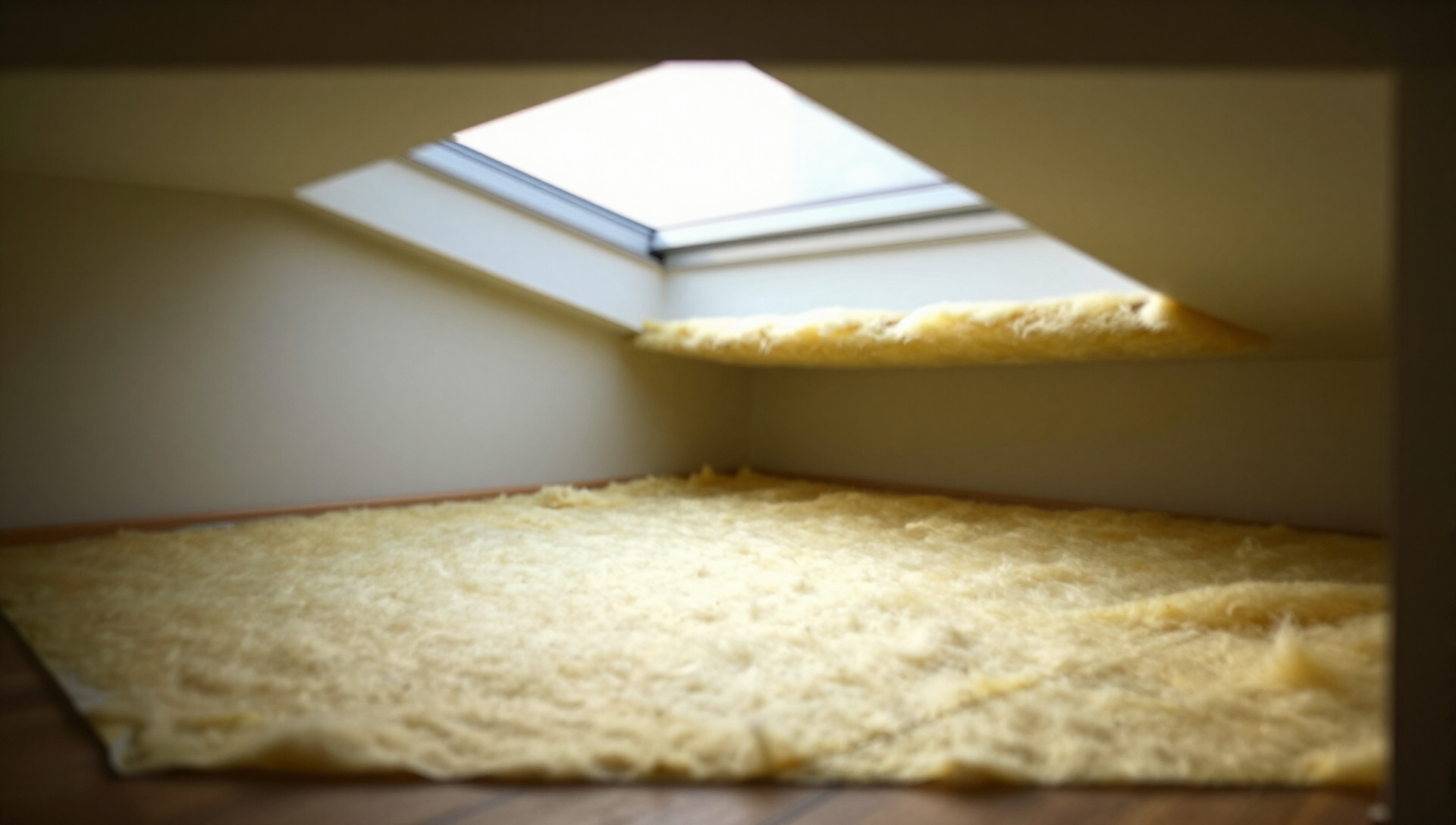
Oakleigh East’s hot northerly winds and heatwaves push temperatures up quickly. Roof insulation addresses the main source of heat entry in many homes, particularly those with exposed roof lines or limited ceiling insulation.
Reflective roof insulation can block up to 95 percent of radiant heat from the sun before it enters the roof space. This means your living areas stay cooler and your air conditioner runs less often.
By reducing heat gain through the roof, you rely less on cooling systems during peak summer periods. This directly lowers energy use and power bills in Oakleigh East homes.
Roof sarking or foil blankets reduce the temperature in the roof space, which helps ceiling batts maintain their R-value and last longer by preventing heat degradation.
Homes with exposed rafters or cathedral ceilings benefit most from roof insulation, as there is no ceiling cavity to hold bulk insulation. Foil products are installed directly under the roofing material.
Some reflective foil laminates include a moisture barrier layer, which helps manage condensation in the roof space, a common issue in Melbourne’s humid summers.
Roof insulation is installed from above during roofing work or retrofitted under the roofing if accessible. The process is fast and does not require access to the interior of the home.
Installing roof insulation requires access to the roof cavity or the underside of the roofing material. The process varies depending on whether the home has a pitched roof with a ceiling below or a cathedral ceiling where the roof is the ceiling.
The first step is to inspect the roof structure and existing insulation. For pitched roofs, foil sarking can be laid over the rafters before new roofing is installed. For existing roofs, foil-faced blankets can be stapled under the rafters if there is enough space.
If retrofitting, the roof space is cleared of debris and any damaged or compressed ceiling insulation is removed. This ensures the new roof insulation sits flat and performs effectively.
Reflective foil sarking is laid directly over the rafters with an air gap below, or foil-faced blankets are stapled between rafters. All joins are taped to maintain the reflective barrier and prevent heat leakage.
The installation is checked for gaps or tears in the foil, and all edges are sealed. If the work is part of a re-roofing project, the roofing material is then installed over the sarking.
Oakleigh East has a mix of older brick veneer homes and newer builds, many with pitched roofs and ceiling cavities. Roof insulation is particularly valuable here to combat summer heat gain through the roof, which can account for up to 35 percent of heat entering a home. For homes with cathedral ceilings or raked roofs, foil insulation is often the only practical solution to reduce heat transfer.
Stop summer heat gain through your roof with reflective foil sarking or blankets installed under tiles or metal sheeting.
Homeowners in Oakleigh East often ask about the best products for their roof type, whether roof insulation can be added to an existing roof, and how it works with ceiling insulation.
Roof insulation in Oakleigh East targets the primary source of summer heat gain in many homes. Installed directly under roofing materials, reflective foil products like sisalation or foil-faced blankets block radiant heat before it enters the roof space. This is critical in Oakleigh East, where hot northerly winds and heatwaves can push indoor temperatures up rapidly.
For homes with cathedral or raked ceilings, roof insulation is often the only viable option, as there is no ceiling cavity to hold bulk batts. Foil sarking can also be combined with bulk ceiling insulation in standard pitched roofs to maximise thermal performance. The reflective layer reduces the temperature in the roof space, helping ceiling batts maintain their R-value and effectiveness.
The cost of roof insulation in Oakleigh East depends on roof pitch, access, the type of roofing material and whether the work is part of a re-roofing project. Foil sarking is typically installed during roof replacement, while foil-faced blankets can be retrofitted under existing roofs if there is sufficient access. Both options provide long-term benefits by reducing cooling costs and improving comfort.
Reduce summer heat gain and lower cooling costs with roof insulation installed by Expert Insulation Melbourne. We work in Oakleigh East and surrounding suburbs.